
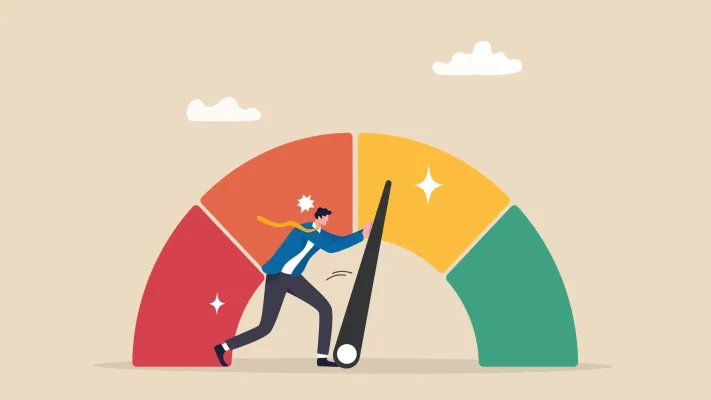
Managing several debt payments at once can feel overwhelming. For some homeowners, refinancing to consolidate debt offers a way to simplify monthly bills and potentially reduce interest costs. But before moving forward, it is important to understand how this strategy may affect your credit score in both the short and long term.
Debt consolidation through refinancing can affect your credit profile in different ways, but it should not be viewed as a quick way to improve your score. In some cases, it may help create more manageable payments and reduce financial strain, which can support healthier borrowing habits over time. The key is understanding what changes to expect, how lenders view the new loan, and whether this strategy truly fits your financial goals.
How refinancing debt can affect your credit score
When you apply for a refinance, the lender reviews your credit history as part of the approval process. This hard inquiry may cause a small drop in your score. In many cases, the change is modest, but it is still something borrowers should expect during the application stage.
Your credit profile may also shift when you use a mortgage refinance to pay off other balances, especially credit cards. You are replacing revolving debt with mortgage debt, and credit scoring models may take time to adjust to that new mix of accounts.
Short-term changes to expect
The initial impact on your credit score is often temporary. Common short-term changes may include:
- A small score decrease from the credit inquiry
- Changes to your credit mix as old balances are paid off
- A temporary adjustment period while your new loan begins reporting
For many borrowers, these early changes are manageable if the refinance leads to more consistent payment habits and lower overall debt pressure.
Potential long-term benefits
If used carefully, debt consolidation through refinancing may help strengthen your credit over time. Here are a few reasons why:
Lower credit utilization
Paying off high credit card balances can reduce your credit utilization ratio, which is an important part of many scoring models. Lower utilization often supports a healthier credit profile, especially for borrowers who had been carrying large revolving balances.
Simpler monthly payments
Replacing several debt payments with one mortgage payment may make it easier to stay organized. A simpler payment schedule can reduce the risk of missed due dates and support a stronger payment history over time.
A more stable repayment plan
Refinancing may turn higher-interest debt into a more predictable installment payment. That stability can help some borrowers regain control of their monthly budget and focus on longer-term financial goals.
Important risks to consider
Debt consolidation through refinancing is not the right move for everyone. Before making a decision, keep these risks in mind:
- Running up new balances: If credit cards are paid off and then used again, you could end up with more total debt than before.
- Higher lifetime interest costs: A lower monthly payment may come with a longer repayment period, which can increase the total amount paid over time.
- Turning unsecured debt into secured debt: Credit card balances are unsecured, but mortgage debt is tied to your home. Missing payments could put your property at greater risk.
- Closing costs and fees: Refinancing usually comes with upfront costs, so it is important to compare those expenses against the potential savings.
How to decide if refinancing for debt consolidation makes sense
Before moving ahead, ask yourself a few practical questions:
- Will the refinance lower your total borrowing costs, not just your monthly payment?
- Do you have a plan to avoid building up new credit card debt?
- Will you stay in the home long enough to recover the closing costs?
- Does this strategy improve your overall cash flow in a sustainable way?
It may also help to speak with a mortgage professional who can walk through your options based on your equity, current rate, and long-term goals. At Cain & Company, we are here to help you evaluate whether refinancing supports your broader financial picture. If you would like to review your options, call 800-685-7708.
The bottom line
Refinancing to consolidate debt can affect your credit score in different ways. You may see a small dip at first, but over time the strategy may support stronger credit if it reduces utilization, simplifies payments, and helps you stay consistent.
The most important question is not whether refinancing changes your score, but whether it improves your financial position in a responsible and lasting way. With the right plan, debt consolidation through refinancing can be more than a short-term reset. It can be a step toward better cash flow, healthier credit habits, and greater peace of mind.